What do you get if you take away the monster from monster movies or shows?
I came across this video today, and it blew me away. Blaire Mars is interviewing Aaron Strand, who explains that “if you want to know what a monster movie is about, you just remove the monster.” He goes on to show how the original “Godzilla” is “really a feminist revenge movie” because every time the heroine is slighted or mistreated, the monster attacks.
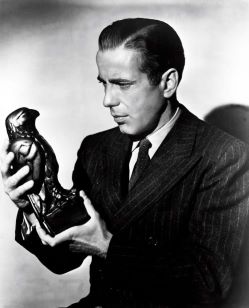
So the monster is really just a macguffin–a term invented by Angus McPhail and made famous by Alfred Hitchcock, meaning the thing that drives the plot, but is not in itself important. The documents in the spy movie, the necklace in the heist movie, the sword in the stone, the Maltese falcon, the rug that really tied the room together: we may not even see it, but everything happens because of it.
I’ve written before about how our love of monster movies seems really to be about our hatred of the things the monsters destroy. Big cities, for one thing (Godzilla and the kaiju never come ashore anywhere else!). Strand’s contention got me thinking about what gets destroyed in other monster movies. “King Kong” can be read as an attack on people who exploit others for money and their paying audiences who are complicit in that exploitation.
These monsters rage against those who would do harm to the planet or to other people. But as I looked over lists of monster movies, I saw that monsters also attack complacency and hubris.
They show up to let us know that however pleasant life might appear, something lurks in the depths that could strike at any moment and turn a nice day at the beach or the mountains into horror (“Jaws,” “The Cabin in the Woods,” “Contagion”), or demonstrate to us that just maybe, humans aren’t the top of the food chain (“Alien,” every vampire and zombie show ever). Monsters also show up when humans transgress into the realm of the gods by trying to create life (“Frankenstein,” “Poor Things”), break the laws of physics (“The Fly”), gain power over death (“Flatliners”), or become omnipotent and omnipresent (“The Forbin Project,” “War Games”).
For me the ultimate monster movie has always been “Forbidden Planet,” which falls into the “hubris” category: an alien society evolves to the point where it creates a machine that will grant the citizens’ unvoiced desires. But that society apparently had no psychologists who might have warned about the shadow in all of us, those aspects of self we’re either so ashamed or afraid of that we’ve stuffed them down into our unconscious psyche. The machine reads those secret fears and manifests them as “monsters from the id!” which destroy the entire society in a night.
Monsters are a warning that we’re ignoring something we really should be paying attention to. Right now, monsters are walking the earth in real life, laying waste all about them. Some come from nature, some are people we’ve put in power. They’re forcing us to wake up to reality; to see where we’ve been too complacent, and where we’ve been guilty of hubris.
 Jody Bower writes